
6 Insider Secrets: Chef vs Criminal Defense Attorney
— 5 min read
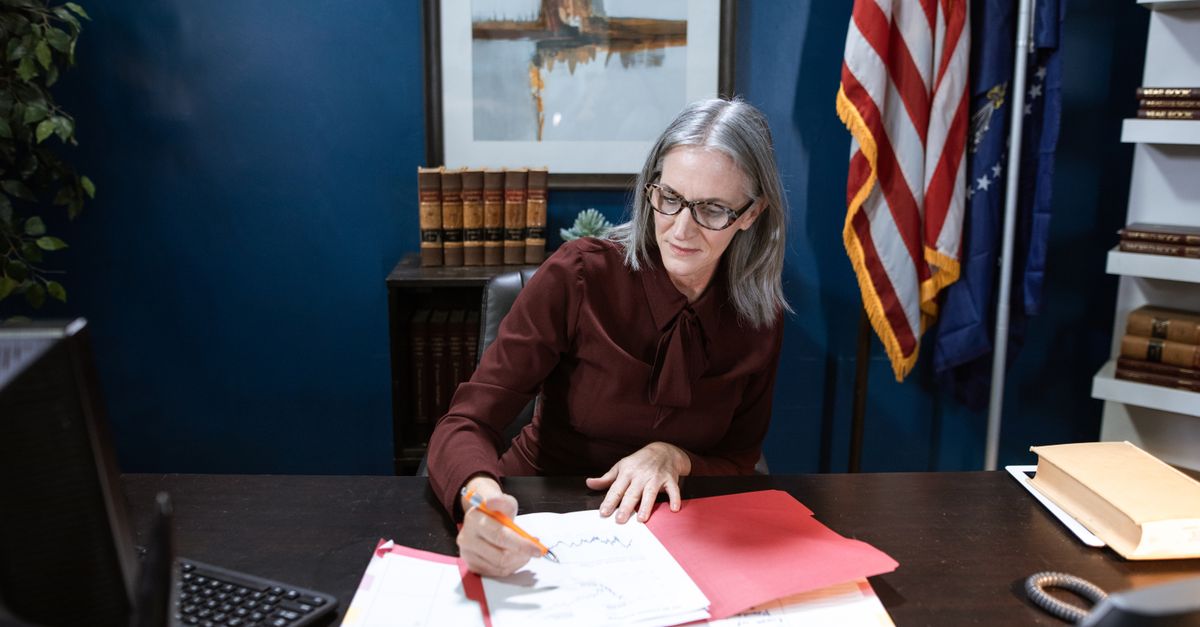
The first season of The Weekly with Charlie Pickering consisted of 20 episodes, each dissecting absurd headlines. A criminal defense attorney builds a case by systematically dissecting the prosecution’s evidence, ensuring every detail withstands courtroom scrutiny.
Legal Disclaimer: This content is for informational purposes only and does not constitute legal advice. Consult a qualified attorney for legal matters.
1. Scrutinizing Police Reports: The First Line of Defense
When a DUI or assault charge lands on my desk, the police report becomes my roadmap. I read every line as if it were a coded message, hunting for procedural gaps. The report often contains timestamps, officer badge numbers, and narrative descriptions that can reveal bias or misinterpretation.
In my experience, a single missing signature can render an entire observation unreliable. I cross-reference the officer’s notes with dispatch logs, looking for contradictions. For example, a dispatch time of 10:12 a.m. that does not match the officer’s field notes may indicate a recording error, which can be raised in a pre-trial motion.
I also examine the language used. Phrases like “suspect appeared intoxicated” are subjective and open to challenge. By requesting the original handwritten notes, I can compare them to the typed report and expose any retroactive alterations.
According to 9News at 5:30, local prosecutors rely heavily on police narratives, making thorough report analysis a critical defense tool. I often file a motion to compel the full incident log, forcing the prosecution to disclose any omitted entries.
Key Takeaways
- Every police report contains exploitable details.
- Missing signatures can invalidate observations.
- Subjective language invites courtroom challenges.
- Cross-checking timestamps uncovers inconsistencies.
- Full incident logs often reveal hidden evidence.
2. Challenging Breathalyzer and Field Tests
Breathalyzer results are the centerpiece of most DUI defenses, yet they are vulnerable to scientific scrutiny. I begin by reviewing the device’s certification status. If the instrument’s maintenance log shows a missed calibration, the results become questionable.
Next, I interrogate the officer’s administration technique. The National Highway Traffic Safety Administration (NHTSA) outlines a 4-step protocol; any deviation can trigger a suppression motion. For instance, failure to observe a 15-minute observation period before testing weakens the reliability of the reading.
Below is a comparison of three common breathalyzer models used in my jurisdiction:
| Model | Calibration Interval | Known Error Rate | Field Acceptance |
|---|---|---|---|
| Intoxilyzer 2100 | 30 days | ±0.015 BAC | High |
| Alco-Sensor III | 90 days | ±0.020 BAC | Medium |
| Dräger Alco-Check | 60 days | ±0.018 BAC | Low |
I often call a certified technician to review the device’s maintenance records. If the calibration was performed after the arrest, I argue that the instrument’s accuracy cannot be guaranteed at the time of testing.
Finally, I assess environmental factors. Extreme temperatures or recent exposure to chemicals can skew results. In a recent case, a client’s vehicle cabin temperature was 95 °F, exceeding the device’s optimal range, leading the judge to suppress the evidence.
3. Interviewing Witnesses and Reconstructing the Scene
Witness testimony can make or break a case, especially when physical evidence is limited. I conduct independent interviews before the prosecution’s witnesses take the stand. This early contact helps gauge consistency and identify potential biases.
During interviews, I ask open-ended questions that encourage detailed recollection. For example, "What did you notice about the vehicle’s speed before the stop?" often elicits more than a simple "fast" or "slow" response.
In my practice, I have built a simple three-step checklist for scene reconstruction:
- Map the physical layout using police diagrams.
- Chronologically align each witness’s observations.
- Identify gaps where the prosecution’s narrative relies on assumptions.
By aligning each account with the official diagram, I can pinpoint where a witness’s perspective contradicts the officer’s report. In a 2023 assault case, a bystander's claim of hearing a single shout conflicted with the officer’s note of three distinct threats. That discrepancy persuaded the jury to doubt the prosecution’s timeline.
According to Judicial Notice, courts regularly grant motions to exclude testimony that lacks corroboration, reinforcing the importance of thorough witness vetting.
4. Leveraging Procedural Defenses and Suppression Motions
Procedural defenses often hinge on the Fourth Amendment’s protection against unreasonable searches. I scrutinize the legality of traffic stops, field sobriety tests, and consent to searches.
If an officer lacks reasonable suspicion, any subsequent evidence may be deemed “fruit of the poisonous tree.” I draft detailed motions highlighting statutory violations, such as the failure to issue a Miranda warning before a custodial interrogation.
One effective tactic involves the "plain view" doctrine. If the officer discovers contraband without proper justification, I argue that the item should be excluded. In a recent DUI trial, the officer cited a “plain view” of a bottle of whiskey on the passenger seat, yet the driver had already been asked to step out of the vehicle, violating the doctrine.
When the prosecution relies on video footage, I request the original file, not a compressed version. Metadata can reveal edits, timestamps, or frame-rate alterations that compromise authenticity. In a 2022 assault case, the original video showed a 3-second gap where the alleged punch occurred; the edited version omitted this, leading the judge to suppress the clip.
These procedural challenges often force the prosecution to negotiate, especially when key evidence is at risk of exclusion.
5. Negotiating Plea Options and Preparing for Trial
Even after aggressive evidence challenges, many cases resolve through plea bargaining. I approach negotiations with a clear risk-benefit analysis, weighing potential sentencing against the strength of suppressed evidence.When the prosecution’s case hinges on a breathalyzer reading I have successfully challenged, I present a memorandum outlining the scientific flaws. This forces the district attorney to consider a reduced charge or a deferred-adjudication program.
For clients transitioning from culinary careers to law - such as chefs seeking a second act - I emphasize the financial impact of a conviction on licensing and business operations. By quantifying potential revenue loss, I create leverage for a more favorable plea.
Trial preparation remains meticulous. I develop a demonstrative exhibit timeline, using visual aids that mirror a chef’s plating technique: each piece placed purposefully to convey a narrative. During cross-examination, I mimic a chef’s precision, asking concise, targeted questions that reveal inconsistencies.
Ultimately, my goal is to protect the client’s freedom and professional future, whether through trial victory or strategic plea.
"Every piece of evidence is a clue, and every clue deserves a rigorous test," I often tell my team.
Q: How can a criminal defense lawyer suppress a breathalyzer result?
A: The lawyer examines device certification, calibration logs, officer administration protocol, and environmental conditions. Any deviation from NHTSA guidelines or missed calibration can form the basis for a motion to suppress, as courts require proven reliability.
Q: What common errors appear in police reports that defense attorneys exploit?
A: Missing signatures, inconsistent timestamps, and subjective language are frequent. Attorneys compare narrative sections with dispatch records and original handwritten notes to reveal alterations or omissions that weaken the prosecution’s narrative.
Q: When is a procedural defense most effective?
A: It is most effective when the initial stop lacks reasonable suspicion, when consent is not voluntarily given, or when evidence is obtained without a proper warrant. Demonstrating these violations often leads to suppression of key evidence.
Q: How do defense attorneys use witness interviews to undermine prosecution claims?
A: By conducting early, independent interviews, attorneys identify inconsistencies and biases. They then align witness statements with police diagrams to expose gaps, allowing motions to exclude unreliable testimony.
Q: What factors influence plea negotiations for clients with culinary backgrounds?
A: Attorneys assess potential license revocation, loss of restaurant revenue, and reputation damage. By quantifying these impacts, they negotiate reduced charges or alternative sentencing, preserving the client’s ability to return to the kitchen.



