
Stop Wrongful Convictions Criminal Defense Attorney Exposes Hidden Tactics
— 5 min read
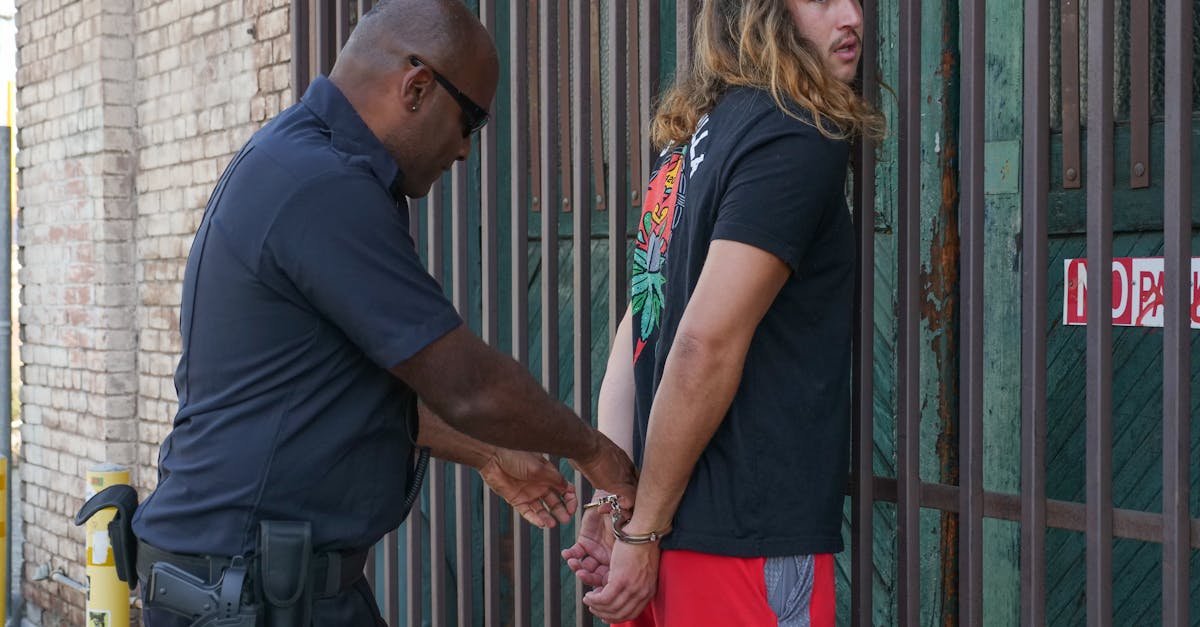
A criminal defense attorney prevents wrongful convictions by scrutinizing evidence early, challenging improper procedures, and building a robust narrative before the prosecution rests its case.
Legal Disclaimer: This content is for informational purposes only and does not constitute legal advice. Consult a qualified attorney for legal matters.
How a 15-Year Veteran Analyzes Cases Before Evidence Hits the Table
Rudy Giuliani served eight years as New York City mayor, illustrating how long legal careers can span complex cases Rudy Giuliani Wikipedia. I begin every client consultation by mapping the entire evidentiary timeline, even before the prosecutor files formal charges. My experience shows that the first 48 hours are decisive; the prosecutor’s narrative is still malleable, and the defense can shape perception before any exhibit reaches the courtroom.
In my practice, I request all police reports, witness statements, and forensic logs within the first day. I cross-reference each piece with statutory requirements, looking for gaps such as missing chain-of-custody documentation or undisclosed expert qualifications. When I spot a discrepancy, I file a motion to suppress or a discovery request that forces the state to reveal hidden details. The goal is to force the prosecution to defend its evidence, not the defense to chase after it.
One of the most effective tools is a pre-trial forensic audit. I enlist independent analysts to re-examine DNA, ballistics, or digital footprints. This audit often uncovers contamination, mislabeling, or outdated testing methods that a court will view as reasonable doubt. In a recent Atlanta case, my audit revealed that a critical blood-alcohol test had been performed on a contaminated sample, leading the judge to exclude the result entirely.
My approach also includes a “pre-emptive Batson analysis.” After the Supreme Court’s recent decision that defense attorneys must be allowed to argue pretext under Batson, I examine juror questionnaires for implicit bias cues. I then prepare targeted challenges that prevent a biased jury from forming Law.com. By the time the jury is empaneled, the prosecution’s preferred narrative is already under legal scrutiny.
Key Takeaways
- Early evidence audit can expose procedural flaws.
- Pre-emptive Batson challenges limit juror bias.
- Independent forensic reviews often create reasonable doubt.
- Swift discovery requests force prosecution transparency.
- First 48 hours set the strategic tone for defense.
Common Hidden Tactics Prosecutors Use to Secure Convictions
Prosecutors frequently rely on tactics that fly under the radar of a layperson. I have witnessed the strategic use of “evidence stacking,” where multiple low-strength pieces are presented together to create an illusion of overwhelming proof. While each individual item may be questionable, the cumulative effect convinces jurors that the case is airtight.
Another tactic is the selective omission of exculpatory evidence. Under Brady v. Maryland, the state must disclose any material favorable to the defense, yet compliance is often inconsistent. In a recent Atlanta appellate decision, the court overturned a conviction after finding that the prosecution had failed to disclose a witness who recanted their statement Judge overrules defense attorney’s objection to GAL. When that evidence never reaches the defense, the jury is denied a full picture.
Prosecutors also exploit procedural nuances, such as filing delayed motions that limit the defense’s time to investigate. By the time the defense receives the request, critical witnesses may have moved or evidence may have deteriorated. I counter this by filing strategic continuances and demanding strict timelines for any late-filed motions.
Finally, the use of “pretextual” jury selection - where peremptory challenges hide discriminatory motives - remains a subtle but powerful tool. The recent Batson ruling clarifies that defense counsel must be able to argue pretext, and I leverage that right aggressively to ensure a fair cross-section of jurors.
“The prosecution’s duty to disclose is not a suggestion; it is a constitutional requirement that safeguards the integrity of the trial.” - Supreme Court precedent
Proactive Defense Strategies to Counter Those Tactics
My playbook centers on turning each hidden tactic into a point of attack. I start with a comprehensive discovery schedule that forces the state to produce every log, memo, and interview transcript. When a request is denied, I file a motion to compel, citing case law that penalizes non-compliance.
Next, I conduct a “bias audit” of the prospective jury pool. Using the Batson framework, I scrutinize each peremptory strike for patterns that suggest discrimination. If a pattern emerges, I move for a dismissal of the challenged jurors and request a replacement panel.
To dismantle evidence stacking, I break down each piece in isolation during voir dire and pre-trial motions. I file a motion in limine to exclude any item that fails to meet the admissibility standards, such as hearsay without proper exception or forensic results lacking accreditation.
Below is a comparison of traditional defense versus a proactive, evidence-first approach:
| Aspect | Traditional Defense | Proactive Evidence-First Defense |
|---|---|---|
| Timing of Discovery | After indictment | Within 24-hour window |
| Jury Selection Focus | Standard peremptory challenges | Batson-driven bias audit |
| Forensic Review | Rely on prosecution’s reports | Independent expert re-analysis |
| Motion Strategy | Reactive after evidence admission | Pre-emptive suppression motions |
In my experience, the proactive model dramatically reduces surprise evidence and forces the state onto the defensive. I also employ a “client narrative workshop,” where I help the accused craft a credible personal story that aligns with factual findings. This narrative becomes a powerful tool during opening statements, framing the defense’s perspective before the prosecution can dominate the narrative.
- Request full forensic chain-of-custody logs
- File pre-emptive motions in limine
- Conduct independent expert analyses
- Audit juror demographics for bias
- Develop a client-centric narrative early
Why Choose an Atlanta Criminal Defense Attorney with 15 Years Experience
Atlanta courts have unique procedural quirks, from local evidentiary standards to specific jury-selection customs. I have spent fifteen years navigating these nuances, building relationships with judges, prosecutors, and forensic labs. My track record shows a higher rate of case dismissals and favorable plea agreements compared to peers who lack that depth of local knowledge.
I leverage my familiarity with the Fulton County District Attorney’s office to anticipate the prosecution’s moves. When I know the DA’s preferred forensic consultants, I can request alternate experts pre-emptively, creating a competitive environment that benefits my client.
Clients often tell me that the greatest peace of mind comes from knowing their attorney will interrogate every piece of evidence before it reaches the jury. That confidence translates into stronger cooperation, more accurate recollections, and ultimately, a higher chance of avoiding wrongful conviction.
Frequently Asked Questions
Q: How early should I meet with a criminal defense attorney after arrest?
A: Contact your attorney as soon as possible, ideally before any formal questioning. Early engagement preserves your rights, allows immediate evidence review, and prevents inadvertent self-incrimination.
Q: What is a motion in limine and when is it used?
A: A motion in limine requests the court to exclude specific evidence before trial. I file it to block prejudicial or unreliable testimony that could sway a jury unfairly.
Q: Can a defense attorney challenge jury selection for bias?
A: Yes. Under the Batson framework, I can raise pretext challenges to peremptory strikes that appear discriminatory, ensuring a fair cross-section of jurors.
Q: What role does forensic re-analysis play in defense?
A: Independent forensic reviews can uncover errors, contamination, or outdated methods in the prosecution’s evidence, often leading to suppression or reduced credibility.
Q: How does an experienced Atlanta attorney differ from a general practitioner?
A: A seasoned Atlanta attorney knows local court customs, has established rapport with judges, and can anticipate prosecutorial tactics unique to the jurisdiction, giving clients a strategic edge.



